The Most Common Calls Handled by Pest Control Services in Sussex County
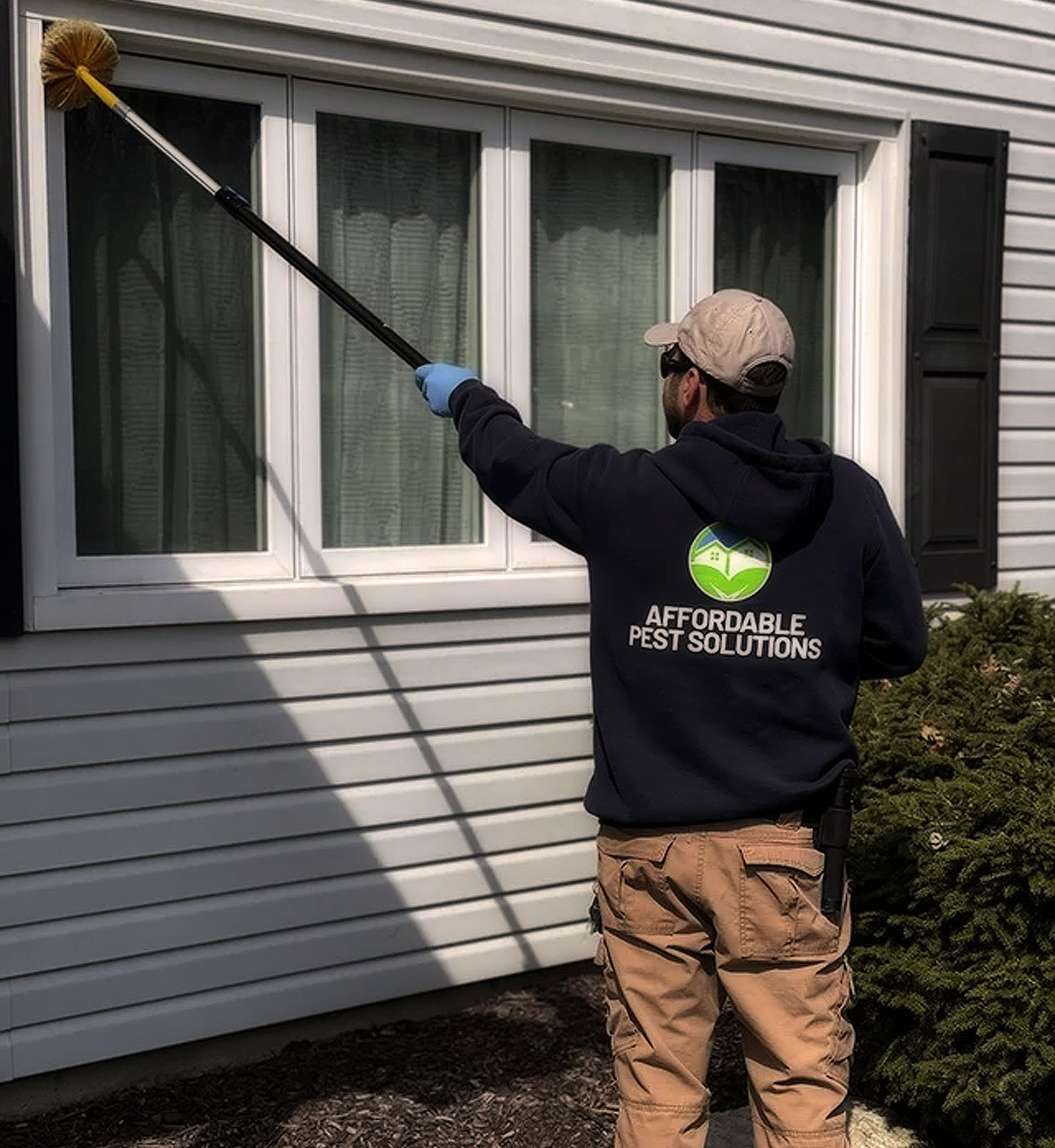
Sussex County keeps pest control companies busy for a simple reason: it offers almost every condition pests like. There are older homes with gaps around foundations, newer developments with disturbed soil, wooded lots, damp crawl spaces, detached sheds, restaurants, shore traffic in some areas, and enough seasonal weather swings to push insects and rodents indoors at predictable times. If you work in the field long enough, the pattern becomes familiar. The calls change by season, but the underlying triggers usually come back to moisture, food, shelter, and timing.
Homeowners rarely call because they saw a single bug and felt curious. They call when something changes. Ants start showing up in the kitchen every morning. A scratching sound begins in the attic at 2 a.m. Mud tubes appear on a basement wall. Wasps circle the soffit over the back door where the kids come in after school. A tenant reports bites, or a restaurant manager spots roach activity near a prep area. At that point, the issue is no longer abstract. It is affecting sleep, safety, property, or reputation.
That is why Pest Control Services Sussex County tend to revolve around a handful of recurring problems. Some are nuisances, some create health concerns, and some can lead to serious structural damage if ignored. The most common calls are not always the most dramatic ones, but they are the situations technicians see again and again.
Why Sussex County properties attract recurring pest activity
Local conditions matter more than many people realize. Pest pressure is never just about cleanliness, despite the myth that only neglected properties get infestations. A spotless home with a damp crawl space can have termites. A well-kept kitchen can still get odorous house ants if a colony is nesting under a slab. A neatly landscaped property can develop a yellowjacket problem because the nest is hidden underground near a retaining wall.
In Sussex County, several factors show up repeatedly on service calls. Humidity plays a part, especially in basements, crawl spaces, and shaded exteriors that dry slowly after rain. Mature trees and wooded edges create natural habitat close to homes. Mulch beds hold moisture and give ants and other insects cover near the foundation. Seasonal tourism or tenant turnover can increase the chance of hitchhiking pests like bed bugs. Cooler fall nights send mice and rats looking for warmth, and they need surprisingly little space to get in.
The result is a service landscape where no single pest dominates every month of the year. Instead, the call volume shifts with the calendar.
Ants, the small problem that rarely stays small
If there is one category that consistently ranks near the top, it is ants. Not because ants are the most dangerous pest, but because they are persistent, visible, and frustrating. People often try store-bought sprays first, which can make the issue look better for a day or two while leaving the colony untouched.
Most ant calls begin in kitchens, bathrooms, and around windows. Residents notice a thin trail near the sink, pet bowls, or a pantry shelf. In many cases, the ants are foraging from a nest outside and exploiting a water source or a few crumbs inside. In other cases, the colony may be in a wall void, under a slab, or under landscaping timbers close to the house.
Odorous house ants are a common nuisance because they are small enough to go unnoticed until numbers build. Carpenter ants trigger a different level of concern. They do not eat wood the way termites do, but they can excavate damp or decaying wood to create galleries. When a technician gets a carpenter ant call, the inspection often expands beyond the insects themselves. The real question becomes why that wood was attractive in the first place. A roof leak, a poorly flashed chimney, a wet window frame, or chronic moisture in a deck ledger may be part of the story.
One of the most common mistakes homeowners make is treating the visible trail without addressing the nest or the entry route. Ants can split colonies, relocate, and find a new path. A good service visit usually combines identification, targeted treatment, and practical corrections such as trimming vegetation off the siding, reducing moisture, sealing utility penetrations, and changing where food or trash is stored.
Termites, the call people wish they had made earlier
Termite calls tend to carry more anxiety than most other pest issues, and for good reason. By the time evidence becomes obvious, activity may have been present for months or longer. Many people in Sussex County first notice termites during a spring swarm. Winged reproductives appear inside near a window or door, or outside around the foundation on a warm day. Others discover mud tubes in a basement, crawl space, or garage.
Subterranean termites are the concern most technicians prepare for in this region because they live in the soil and move into structures while staying protected from open air. A small crack in concrete, an expansion joint, or untreated wood close to grade can be enough. Homes with wood-to-soil contact, heavy mulch piled against siding, or chronic drainage issues deserve especially careful attention.
These calls are often emotionally different from ant calls. With ants, the customer is annoyed. With termites, the customer is worried about the house itself. The inspection needs to be methodical. The question is not only whether termites are present, but also how they are getting in, how much conducive moisture exists, and whether damage appears active or older. It is also one of those areas where judgment matters. Staining on wood is not always termite damage, and not every winged insect near a window is a termite swarm. Accurate identification prevents expensive overreaction and dangerous underreaction.
The best termite calls, if there is such a thing, happen early. A homeowner notices swarmers, takes photos, saves a sample, and schedules an inspection before tearing into trim or saturating the area with aerosol sprays. Early reporting gives technicians a cleaner read on what is happening.
Rodents in the attic, walls, garage, and crawl space
Once nights turn cool, rodent calls rise. Mice and rats are classic cold-weather invaders, but they are not limited to winter. They can occupy structures year-round if food, water, and harborages remain available. In Sussex County, detached garages, sheds, crawl spaces, and attics frequently become part of the picture.
The first sign is often sound. Homeowners report scratching behind a wall, light movement overhead, or activity around dawn and dusk. Others find droppings in a pantry, dog food bin, or basement storage area. Sometimes the issue reveals itself through damage, gnaw marks on bags, chewed insulation, or a faint musky odor in enclosed areas.
What makes rodent calls challenging is that removal alone rarely solves the problem. If the entry points remain, another mouse or rat can replace the one that was trapped. Technicians spend a surprising amount of time on exclusion work, identifying gaps at garage door corners, utility lines, roof returns, vent openings, and foundation penetrations. A hole does not need to look dramatic to matter. Young mice can exploit openings that many homeowners would dismiss as too small.
There is also a difference between a light mouse problem and a more established rodent population. A few droppings in the garage after the first cold snap may point to occasional invaders. Heavy droppings, rub marks, nesting material, and repeated captures indicate a property-level issue that demands a broader plan. Nearby bird feeders, unsecured trash, stacked firewood, dense vegetation, and pet food left out overnight all increase pressure.
Rodent calls also carry a health component. Contamination in food storage areas, allergen buildup, and the need for careful cleanup make these visits more than a simple nuisance service. In attics, the insulation itself may become part of the conversation if contamination is widespread.
Wasps, hornets, and yellowjackets around entries and rooflines
Stinging insect calls Pest Control Services Sussex County Affordable Pest Solutions LLC surge when people start spending more time outside. These are among the most urgent routine requests pest control companies receive, especially when nests are near front doors, decks, play areas, meter boxes, or roof edges. Some customers can tolerate seeing a few insects in the yard. Very few are comfortable with a nest near the only door into the house.
Paper wasps commonly build under eaves, porch ceilings, and shutters. Hornets may choose shrubs, trees, or structural overhangs. Yellowjackets are especially troublesome because they often nest in concealed wall voids, soffits, or underground cavities, which makes the activity seem to come from nowhere. A family may notice increased insect traffic near a porch step and only later realize there is a nest entrance in the soil.
These calls demand caution because do-it-yourself treatment can go wrong fast. Spraying an active nest without protective gear or a clear retreat route is a common way people get stung repeatedly. Wall-void yellowjackets are a classic example. Someone sprays where insects are entering from outside, kills some, angers the rest, and then the surviving yellowjackets find their way indoors through a gap around a light fixture or vent.
Timing matters too. Early-season nests may be small and easier to deal with. By late summer, colony numbers can be much higher, and yellowjackets in particular become more aggressive around food and drink. That is why pest control companies often receive a sharp jump in calls during outdoor gathering season. One nest can turn an entire patio, pool area, or picnic setup into off-limits space.
Mosquito and tick complaints, especially on shaded lots
Some of the busiest seasonal service routes are not driven by insects inside the home at all, but by the desire to use the yard comfortably. Mosquito and tick calls have become more common as homeowners pay closer attention to outdoor living space. If a property backs to woods, includes damp low spots, or has dense ornamental plantings, the problem can be persistent.
Mosquitoes do not need a pond to become a problem. Clogged gutters, plant saucers, toys left out in the rain, corrugated drainpipe, birdbaths, and decorative containers can all hold enough water to support breeding. Ticks, on the other hand, follow habitat and hosts. Tall grass, leaf litter, brush lines, and deer or rodent activity around the perimeter all increase the likelihood of contact.
What customers often want from these calls is not permanent eradication, because that is unrealistic outdoors. They want pressure reduced enough that the yard becomes usable. That means a treatment plan usually works best when paired with site correction. A shaded backyard with poor drainage and overgrown edges will not respond as well as one where standing water is removed and vegetation is managed.
These services often involve expectation setting. A technician can reduce activity, sometimes dramatically, but no honest professional promises a bug-free property after one visit in the middle of a wet summer. Weather, landscape conditions, and neighboring properties all influence results.
Cockroaches, the pest people hesitate to talk about
Cockroach calls are common, but they are not always reported quickly. Some customers feel embarrassed, especially in multifamily housing or food-related businesses. That delay can make the problem harder to solve.
In residential settings, German cockroaches tend to be the most urgent because they reproduce quickly and thrive near kitchens, appliances, and moisture sources. American cockroaches are also encountered, particularly in basements, crawl spaces, utility areas, or places with drainage and warmth. A single large roach in a garage or basement does not always indicate a major infestation, but repeated sightings inside living areas deserve immediate attention.
Roach work is detail-heavy. A quick spray around baseboards rarely solves an established issue. Successful control usually depends on accurate species identification, sanitation improvements where needed, crack-and-crevice treatment, bait placement, and follow-up. In apartment or condo situations, neighboring units can complicate the picture. If one unit is treated while another remains active, the pressure may shift rather than disappear.
For businesses, the stakes are higher. One sighting in the wrong setting can affect inspections, staff confidence, and customer trust. That is why commercial cockroach calls often receive fast response times.
Bed bugs, low visibility and high stress
Bed bug calls are less frequent than ant or rodent calls in many service areas, but they create intense stress when they happen. A family can live with a few ants on the counter for a week while they schedule help. Bed bugs trigger immediate concern because they affect sleep, travel plans, guests, and laundry routines almost overnight.
These calls often start with bites, though bites alone are not proof. Other times the clue is spotting insects or dark fecal marks near mattress seams, bed frames, or upholstered furniture. Travel, secondhand furniture, and multi-unit living situations are common pathways, but bed bugs can show up in many ways.
Bed bug work requires restraint and clarity. People tend to panic-buy sprays, mattress covers, and foggers. Unfortunately, foggers are notorious for poor results and can scatter bed bugs into new hiding spots. Effective treatment depends on inspection, proper preparation, targeted treatment methods, and follow-up where necessary. It also requires tact. Customers are tired, embarrassed, and often overwhelmed by washing, bagging, and reducing clutter.
Technicians who handle these calls well usually spend as much time explaining the process as applying treatment. The emotional part is real, and it affects compliance. If people understand why preparation matters, outcomes improve.
Wildlife-adjacent calls that start as pest complaints
Not every pest control call involves insects or rodents in the strictest sense. Some begin with a vague report that turns out to involve squirrels in an attic, birds entering a vent, or bats roosting in a structure where that service is legally and operationally distinct from standard pest work. In many offices, those calls still come through the same phone line first.
This matters because customers do not always know what they are hearing or seeing. A squirrel in a soffit can sound like a rat. A cluster of flies around a window may point to a dead animal in a wall rather than a simple fly problem. A persistent odor in a crawl space can involve moisture and decay as much as insect activity. Good service starts with diagnosis, not assumptions.
The calls that turn urgent fastest
Some pest issues can wait a day or two for a scheduled visit. Others should be addressed right away because they involve safety, contamination, or rapid spread. Experienced offices learn to triage these calls quickly.
- stinging insect nests near primary entry points or play areas
- active termite evidence such as swarmers indoors or fresh mud tubes
- rodent activity in food storage, infant areas, or commercial kitchens
- suspected bed bugs in multi-unit housing or guest-facing properties
- heavy cockroach activity in kitchens, restaurants, or healthcare settings
Urgency does not always mean the infestation is huge. It often means the location raises the stakes.
What a seasoned technician looks for on the first visit
Customers sometimes assume the first visit is mainly about applying product. In reality, the best first visits are investigative. A seasoned technician is reading the structure and the surroundings. Where is moisture collecting? What is touching the siding? Is the grade sloping toward the foundation? Are there accessible food sources, hidden voids, or roofline gaps? Has a previous treatment failed because the pest was misidentified?
That is where local experience helps. Pest Control Services Sussex County are not just about knowing pest biology in a textbook sense. They are about recognizing the patterns that show up in this mix of weather, lot sizes, home ages, crawl spaces, landscaping choices, and seasonal occupancy. A technician who has seen dozens of yellowjacket nests behind the same style of shutter or repeated carpenter ant activity around the same kind of damp trim is working from a practical advantage.
Customers also benefit when expectations are realistic. Some problems respond in a single visit. Others, especially roaches, bed bugs, rodents, and recurring exterior ant pressure, often require a plan over time. The honest answer is not always the fastest-sounding one.
When homeowners call too late, and when they call too early
There is a sweet spot in pest control, and many people miss it. They either wait until the problem is entrenched or call after seeing one incidental insect that may not justify treatment. The trick is learning which signs deserve prompt attention.
Repeated sightings matter more than a one-off. Evidence of nesting, feeding, droppings, wings, tubes, gnawing, or structural involvement matters more than a single bug near a door. Moisture issues raise the priority of wood-destroying insect inspections. Sounds in walls or attics become more important when they happen at consistent times.
The most expensive calls are often the ones delayed by hopeful thinking. Someone hears scratching for weeks and assumes it is “probably nothing.” Someone notices swarmers and vacuums them up without arranging an inspection. Someone sprays a visible ant trail over and over while a moisture problem behind the dishwasher remains untouched. On the other side, a single beetle that wandered in after a storm may not signal anything meaningful. Good pest control companies help customers tell the difference.
What separates a temporary fix from a lasting one
The common thread across most Sussex County pest calls is that pesticides alone rarely provide the full answer. Lasting control usually comes from combining treatment with correction. Seal the gap, dry the crawl space, improve drainage, trim back the shrubs, change storage habits, repair the screen, remove the food source, or modify the habitat. Those are not glamorous steps, but they are often the reason one property stabilizes while another keeps generating service calls.
That is especially true in areas with mixed conditions like Sussex County, where homes sit close to woods, water, landscaped beds, and seasonal environmental shifts. Pests are not appearing out of nowhere. They are responding to opportunities. The most common calls handled by pest control services reflect that reality, ants where moisture and food intersect, termites where wood and soil stay too close, rodents where access meets shelter, stinging insects where structures provide protected nesting spots, and roaches or bed bugs where concealment and human activity create a foothold.
People usually make the call when the problem becomes impossible to ignore. The better outcome comes when the response goes beyond the obvious symptom and addresses why the pest was there in the first place. That is the everyday work behind effective Pest Control Services Sussex County, not just removing what is visible, but reducing the reasons it came back.
Affordable Pest Solutions LLC
Based in Budd Lake, New Jersey 07828
Service area: Sussex County, Morris County, and Warren County, New Jersey
+1 973-229-9547
FAQ About Pest Control Services Sussex County
What is included in a pest control service in NJ?
A visit generally starts with an inspection to identify the pest and assess activity, access points, and contributing conditions. The proposed service may include treatment, monitoring, exclusion recommendations, and follow-up. Ask which pests and areas are covered by the written quote.
How much does a pest controller charge in NJ?
Pricing depends on the pest, property size, severity of activity, and work required. A single treatment and an ongoing plan can have different costs and coverage. Request an inspection-based estimate that explains the included work, follow-up fees, and warranty terms.
How to prepare my home for pest control?
Ask for instructions specific to the planned service. The technician may need access to inspection areas and may ask you to move belongings or protect food and dishes. Mention pets, aquariums, and any household concerns beforehand. Follow the product label and the technician's instructions about leaving and re-entering treated areas.