Why Professional Pest Control Services Warren County Beat DIY Methods
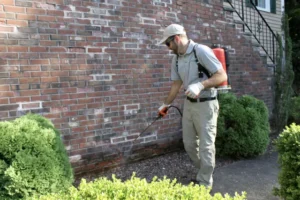
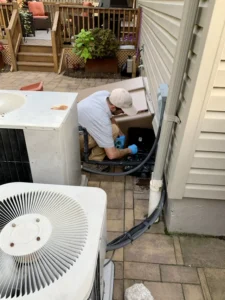
Anyone who has dealt with ants in a kitchen, mice in a basement, or wasps under the eaves knows how quickly a small pest issue can turn into a larger problem. At first, the temptation is understandable. A trip to the hardware store feels faster, cheaper, and more convenient than scheduling a service call. A few traps, a spray can, maybe some bait stations, and the problem should be handled by the weekend.
That is the theory. The reality is usually messier.
Most pest problems are not defined by what you can see. They are defined by what you cannot. The line of ants on the counter is rarely the colony. The mouse in the garage is rarely the only mouse. The wasps you notice around the porch may be a fraction of what is developing inside a wall void or roofline. That gap between visible symptoms and the actual infestation is where do-it-yourself efforts usually fail, and where trained professionals consistently outperform them.
Homeowners in Warren County face a mix of pest pressures shaped by season, housing style, moisture patterns, and the local environment. Older homes with stone foundations, newer subdivisions with disturbed soil, wooded lots, farm-adjacent properties, and dense residential streets all create different entry points and harborages. Effective control depends on recognizing those variables and adjusting the treatment plan to fit the site. That is why professional Pest Control Services Warren County residents rely on tend to deliver better, faster, and longer-lasting results than DIY methods.
The real difference is diagnosis
A pest issue is not just a pest issue. It is a diagnosis problem.
Two homeowners can both say they have an ant problem and need completely different solutions. One may have pavement ants trailing in from expansion joints near the driveway. Another may have carpenter ants attracted to moisture-damaged wood around a window frame. Store-bought sprays might knock down both groups on contact, but only one of those situations carries a meaningful risk of structural damage. If the underlying cause is missed, the treatment may look successful for a few days and then fail quietly.
This is one of the clearest advantages of professional service. A trained technician does not begin by reaching for a product. The first step is identifying the species, the breeding pattern, the route of entry, the food source, and the conditions that made the property vulnerable in the first place. That sounds basic, but it is often the entire difference between a short-term reduction and real control.
I have seen homeowners spend weeks fighting what they thought were pantry moths, only to learn they were dealing with drain flies breeding in organic buildup inside a floor drain. I have seen people place mouse traps in finished basements while ignoring gnaw marks and droppings in the utility room where the infestation was actually centered. In each case, effort was not the issue. Misdiagnosis was.
Store-bought products are built for broad appeal, not precision
Most retail pest products are designed to be sold safely and simply to the general public. That makes sense from a consumer standpoint, but it creates limitations.
A can of insect spray has to work well enough for many common scenarios while remaining easy to apply and clearly labeled. Baits sold in big-box stores need to be straightforward for non-specialists to place. Traps need to be affordable, visible, and familiar. These products can be useful for isolated problems. A few ants near a doorway or a single occasional spider may not justify much more.
But broad-use products tend to fall short when a pest issue is established, recurring, or tied to structural conditions. The product itself may be weaker than what a professional can access, but that is only part of the story. Placement, timing, formulation, and compatibility matter just as much. Applying the wrong product in the wrong spot can scatter insects, disrupt bait acceptance, or push activity deeper into walls.
Cockroaches are a good example. Many people spray the insects they see and feel relieved when they stop seeing them for a day or two. Yet roach control usually depends on understanding where they harbor, what is competing with the bait, how moisture is sustaining them, and whether the population includes egg cases hidden in appliances or wall voids. Visible kill is not the same as population collapse.
The same applies to rodents. Consumers often buy a handful of snap traps, set them in obvious locations, and assume no catches mean no rodents. In practice, trap placement is an art. Rodents travel edges, avoid unfamiliar disturbances, respond to competing food sources, and alter behavior quickly when pressured. Professionals know how to read that movement, where to focus exclusion, and when trapping alone will not solve the issue.
Local conditions matter more than many people realize
Pest pressure is not uniform from one county to the next, or even from one neighborhood to another. Warren County properties can vary widely. Some homes back up to woods or water, some sit near fields, some have crawl spaces that hold moisture, and some have mature landscaping tight against the foundation. All of that affects what shows up and how difficult it is to control.
A home near standing water may deal with mosquito pressure and moisture-loving insects for much of the warm season. A property near fields may see increased rodent movement during colder months as temperatures drop and food sources shift. Homes with stacked firewood near the exterior often invite overwintering insects and create shelter close to entry points. These are not abstract possibilities. They are patterns technicians see every week.
That local familiarity is one reason Pest Control Services Warren County homeowners hire often perform better than generic DIY routines copied from a video or product label. A professional who works the area understands seasonal timing. They know when stinging insects begin building, when Pest Control Services Warren County Affordable Pest Solutions LLC ant activity spikes, when mice start moving indoors, and how weather changes can intensify pressure. That kind of judgment shortens the path to effective control.
DIY methods usually treat symptoms, professionals treat systems
A house is a system. Pests exploit weaknesses in that system.
They follow moisture, warmth, shelter, darkness, and food. They use gaps around utility lines, poorly sealed door sweeps, mulch piled too high against siding, cluttered storage, leaky hose bibs, and attic vents that no one has inspected in years. If you treat only the insects or rodents you can see, the site remains attractive. Another wave follows.
Professional pest control works differently. Good service combines inspection, treatment, exclusion, monitoring, and prevention. That broader approach is why results last longer.
Take a common mouse problem. A technician might trap active mice, but the visit should not stop there. They should also identify entry points around the foundation, inspect garage thresholds, note vegetation or debris that gives cover near the home, recommend sanitation adjustments if needed, and explain how seasonal behavior may affect follow-up. The trapping is the visible part. The real value is in reducing the property’s suitability for continued activity.
The same principle applies to insects. If a home has recurring ant activity, the solution may involve exterior treatment zones, targeted baiting, trimming back vegetation, correcting drainage near the slab, and sealing a utility penetration behind the kitchen sink. No single spray can accomplish all of that.
Safety is not a side issue
One of the most underappreciated reasons to hire a professional is safety.
Pesticides are useful tools, but they are still pesticides. Using too much product, mixing incompatible products, treating the wrong surfaces, or placing baits where children or pets can access them creates unnecessary risk. Even when the label is followed, many homeowners do not have a clear grasp of where an application should and should not go.
I have seen people fog entire rooms for a problem that was actually concentrated in a wall void. I have seen rodent bait placed indoors without proper tamper-resistant protection. I have seen insecticide sprayed around food preparation areas in ways that created more concern than the original pest issue. None of those people were careless. They were trying to solve a problem with limited information.
Professional technicians are trained in product selection, label compliance, application methods, and risk reduction. They know when a crack-and-crevice treatment is more appropriate than a broad spray, when a non-chemical correction is the better first move, and how to balance efficacy with occupant safety. That matters in every home, but especially where young children, elderly residents, pets, or sensitive individuals are present.
The hidden costs of doing it yourself add up fast
DIY looks cheaper until you account for the full cost.
A homeowner may buy sprays, traps, bait stations, exclusion foam, repellents, storage bins, and replacement products over several weekends. They may spend hours cleaning, resetting traps, checking activity, researching species, and second-guessing whether the problem is actually solved. If the issue persists, the money already spent does not disappear. It becomes part of the final cost.
Then there is property damage. Rodents can chew wiring, insulation, cardboard, and stored items. Carpenter ants can signal moisture-compromised wood. Termites, where present, are obviously in a category of their own. Pantry pests can contaminate food. Roaches can spread from one room to another and become much harder to control as populations grow. Delays are expensive.
What often surprises homeowners is how narrow the price gap can be between months of ineffective DIY effort and a professional program that resolves the issue correctly. Not every infestation is large, and not every service call is cheap, but the total cost needs to be measured against time, repeat purchases, failed attempts, and avoidable damage.
Some pests are especially poor candidates for DIY control
Not every pest problem requires a professional from day one. A lone spider in the basement is not a crisis. A few cluster flies at a window may be more nuisance than infestation. But certain pests tend to punish guesswork.
Here are a few situations where DIY success rates drop sharply:
- Rodents that keep returning despite traps
- German cockroaches in kitchens, bathrooms, or multi-unit buildings
- Carpenter ants or any ant issue linked to wet or damaged wood
- Stinging insects nesting in wall voids, soffits, or rooflines
- Bed bugs, where incomplete treatment usually spreads the problem
Each of these cases involves either hidden harborages, rapid reproduction, safety concerns, or the need for precise follow-up. Homeowners often make progress in the visible areas while the main population remains untouched.
Bed bugs are perhaps the clearest example. People often wash linens, vacuum, and spray mattresses, then wonder why bites continue. Bed bugs exploit seams, cracks, furniture joints, and adjacent rooms. The work required to inspect thoroughly and treat effectively is substantial. Half measures rarely stay half measures for long. They become larger infestations.
Timing and follow-up are where professionals earn their keep
Pest control is not a single event. It is a sequence.
That matters because many pests have life cycles that require repeat visits or strategically timed treatments. Eggs hatch later. Rodent behavior changes after the first trapping period. Seasonal weather alters where activity concentrates. A technician who understands those rhythms can plan follow-up that interrupts the infestation rather than simply reacting to it.
This is one reason homeowners sometimes feel a DIY method "worked and then stopped working." The initial treatment may have killed active adults but missed eggs, inaccessible harborages, or the conditions allowing reinfestation. Without a plan for what comes next, the result is temporary relief.
Professionals also document what they see. They note where activity occurred, what materials were used, whether exclusion gaps were found, and what changed from one visit to the next. That record matters, especially for recurring issues. It turns pest control from guesswork into management.
Experience sharpens judgment in ways labels cannot
A product label can tell you where a treatment is allowed. It cannot teach you what a seasoned technician learns from years in the field.
Experience teaches how carpenter bees behave differently on one type of structure versus another. It teaches which moisture patterns in a basement tend to support springtail activity. It teaches how mice often exploit attached garages before moving deeper into the home. It teaches when an apparent bee issue is actually yellowjackets entering through a siding gap and nesting behind insulation.
That practical judgment shows up in small decisions. Whether to bait or dust a void. Whether exterior sealing should happen before or after active trapping. Whether a homeowner is seeing old signs or fresh ones. Whether attic sounds are likely mice, squirrels, or a one-off disturbance. These are not dramatic differences, but they shape outcomes.
People sometimes assume the value of professional service is mostly in stronger products. In practice, the larger value is often in better decisions.
Prevention is where the long-term savings really happen
The best pest problems are the ones that never establish.
A professional service relationship often shifts a homeowner from reactive mode to preventive mode. Instead of waiting until ants reach the pantry or mice enter the basement, the property is inspected and managed before those thresholds are crossed. Exterior barriers are maintained. Vulnerabilities are addressed early. Small signs are caught before they become obvious.
This is especially useful in areas where seasonal pest pressure is predictable. Warren County homes often benefit from regular attention to foundation gaps, door sweeps, attic and crawl space conditions, drainage issues, and exterior harborage near the structure. A technician can spot trends that a homeowner who lives with the property every day may not notice. Familiarity sometimes hides gradual deterioration.
Preventive service is not about treating blindly. It is about combining inspection with smart intervention. Sometimes that means a targeted application. Sometimes it means sealing a gap the width of a pencil. Sometimes it means advising a homeowner to move firewood, trim shrubs, or correct moisture near a downspout. Prevention works because it reduces opportunity.
What good service actually looks like
Not all providers work at the same standard, and homeowners should expect more than a quick spray around the baseboards. Effective pest control is thorough, communicative, and site-specific.
A strong provider will usually do several things well. They will ask detailed questions about what has been seen, when, and where. They will inspect beyond the obvious rooms. They will explain the likely cause of the issue in plain language. They will describe the treatment approach, not hide behind vague assurances. They will also be honest about what depends on structural correction or sanitation, because pest control is rarely magic.
If you are comparing companies, look for these signs:
- They identify pests accurately rather than guessing
- They inspect interior and exterior conditions
- They explain treatment choices and follow-up clearly
- They discuss exclusion and prevention, not just chemical application
- They set realistic expectations about timing and results
That last point matters. Fast promises are easy to make. Real pest control often unfolds over days or weeks depending on the pest, the size of the infestation, and the condition of the property. Professionals who know their trade do not oversell instant results when the biology says otherwise.
When DIY still has a place
A fair comparison should acknowledge that do-it-yourself methods are not useless. They can absolutely help in minor, isolated situations. Sticky traps can support monitoring. Sealing food in containers helps with pantry pests. Replacing worn weatherstripping is smart regardless of who handles pest control. A homeowner who keeps gutters clear, reduces moisture, and stores firewood away from the house is already doing valuable pest prevention work.
DIY becomes less effective when the issue is hidden, repeating, spreading, or potentially hazardous. That is the dividing line.
If someone sees a single trail of ants after a heavy rain, they may be able to clean thoroughly and address a small entry point without much trouble. If that same ant issue returns every week from multiple locations, it has crossed into a different category. The same logic applies to rodents, roaches, stinging insects, and wood-destroying pests. Once the problem shows persistence, the smart money is usually on expert help.
Why homeowners keep coming back to professional help
The strongest case for professional service is not a slogan. It is the pattern homeowners notice after they have tried both approaches.
They notice that professional treatments are more targeted. They notice fewer repeat flare-ups. They notice better explanations, better follow-through, and better prevention. They notice that the technician sees things they overlooked, from a gap under a side door to frass near damp wood to a nest beginning in a spot no one checks casually. They also notice the relief that comes from not spending every weekend chasing the same problem.
That peace of mind has practical value. Pests create stress far beyond the physical nuisance. People lose sleep over scratching sounds in walls. They worry about what guests might see. They second-guess whether food is contaminated or whether a child or pet could come into contact with something unsafe. Solving the issue thoroughly restores more than the home. It restores confidence in the space.
For homeowners weighing the choice, the deciding question is usually simple: do you want to knock back what you can see, or do you want the whole problem addressed? In most established infestations, those are not the same thing. That is why professional Pest Control Services Warren County residents trust continue to beat DIY methods, not just in convenience, but in accuracy, safety, and lasting results.
Affordable Pest Solutions LLC
Budd Lake, NJ 07828 (service-area business)
Serving Warren, Morris and Sussex Counties, New Jersey
Phone: +1 973-229-9547
FAQ About Pest Control Services Warren County
How much does pest control cost in NJ?
The cost depends on the pest, the size of the property, the extent of activity and whether follow-up visits are needed. Ask for an inspection and a written estimate that explains the treatment scope and any ongoing service charges. Affordable Pest Solutions offers free estimates for properties in its service area.
What are the most common household bugs in New Jersey?
Ants, cockroaches, stink bugs and spiders are among the pests that residents may encounter in New Jersey homes. Activity varies by season, moisture conditions and available entry points. Correct identification helps determine whether exclusion, sanitation, monitoring or professional treatment is appropriate.
What kind of bugs infest homes?
Ants, cockroaches and termites can establish persistent activity in or around homes. The signs and appropriate response differ by pest: trails, droppings, shed wings or damaged wood may warrant closer inspection. A pest professional can identify the cause and recommend a plan suited to the property.